Rocky View County Agricultural Services is asking residents to be on the lookout for garlic mustard (Alliaria petiolata), an invasive plant that has been identified within the County.
Garlic mustard is a Prohibited Noxious weed under Alberta’s Weed Control Act and can spread quickly if left unmanaged. Early detection and rapid response provide the best opportunity to prevent garlic mustard from becoming established and limit its impacts on natural areas, forests, shelterbelts, and landscaped properties.
Once established, garlic mustard can outcompete native vegetation, reducing plant diversity and impacting the health of natural ecosystems. Residents can help limit its spread by learning to identify the plant and reporting suspected sightings to support early management efforts.
How to Identify Garlic Mustard
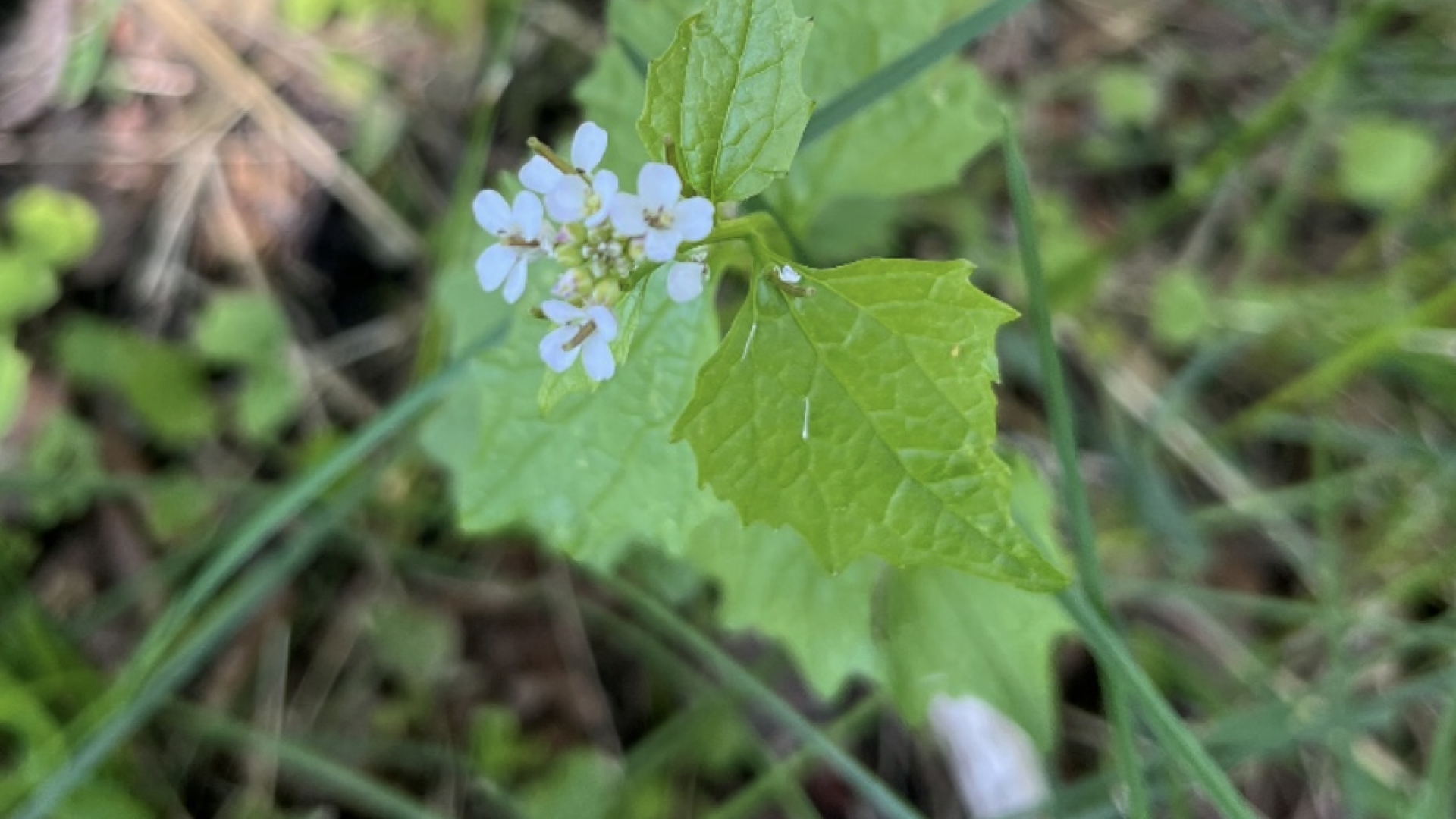
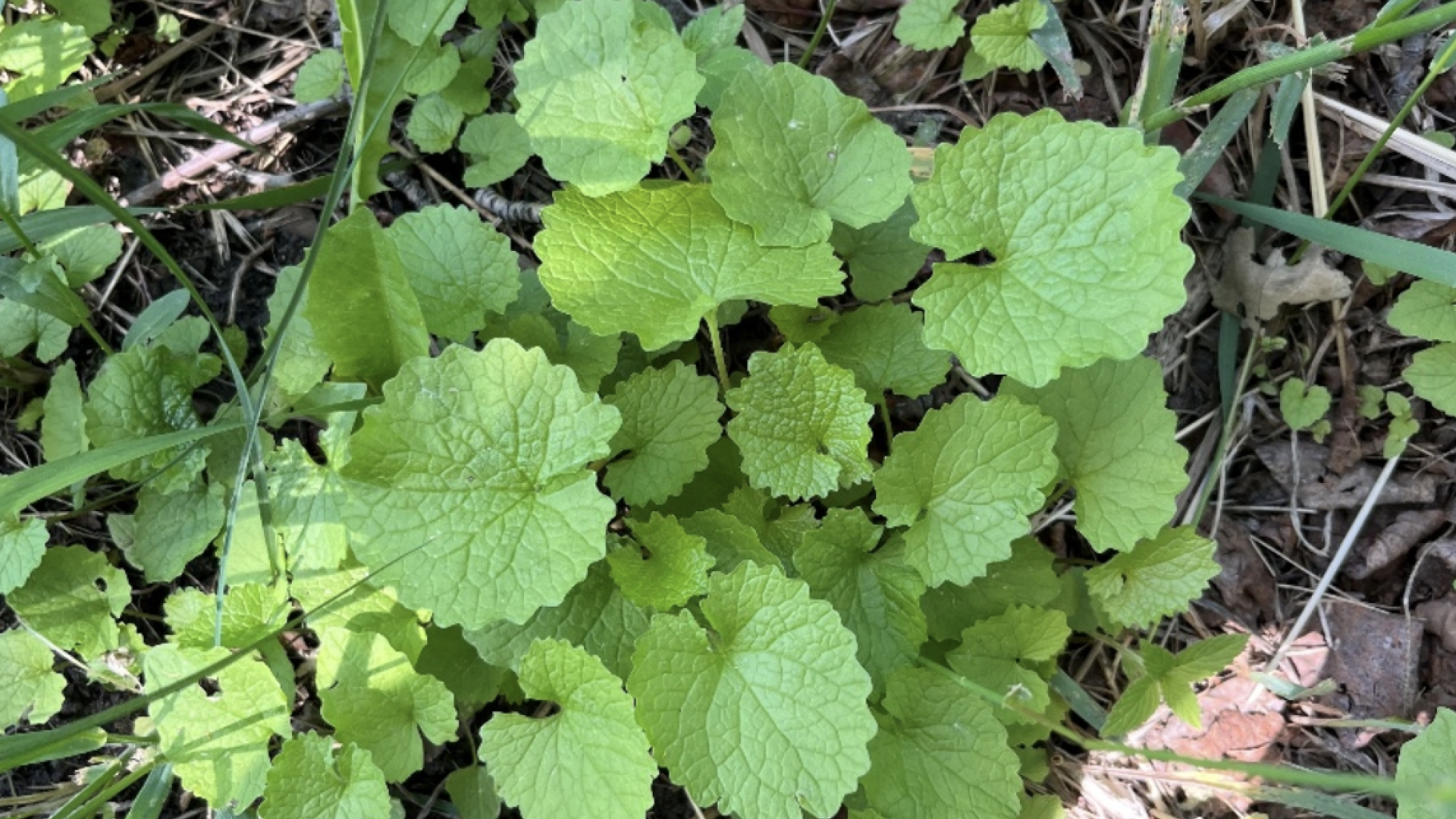
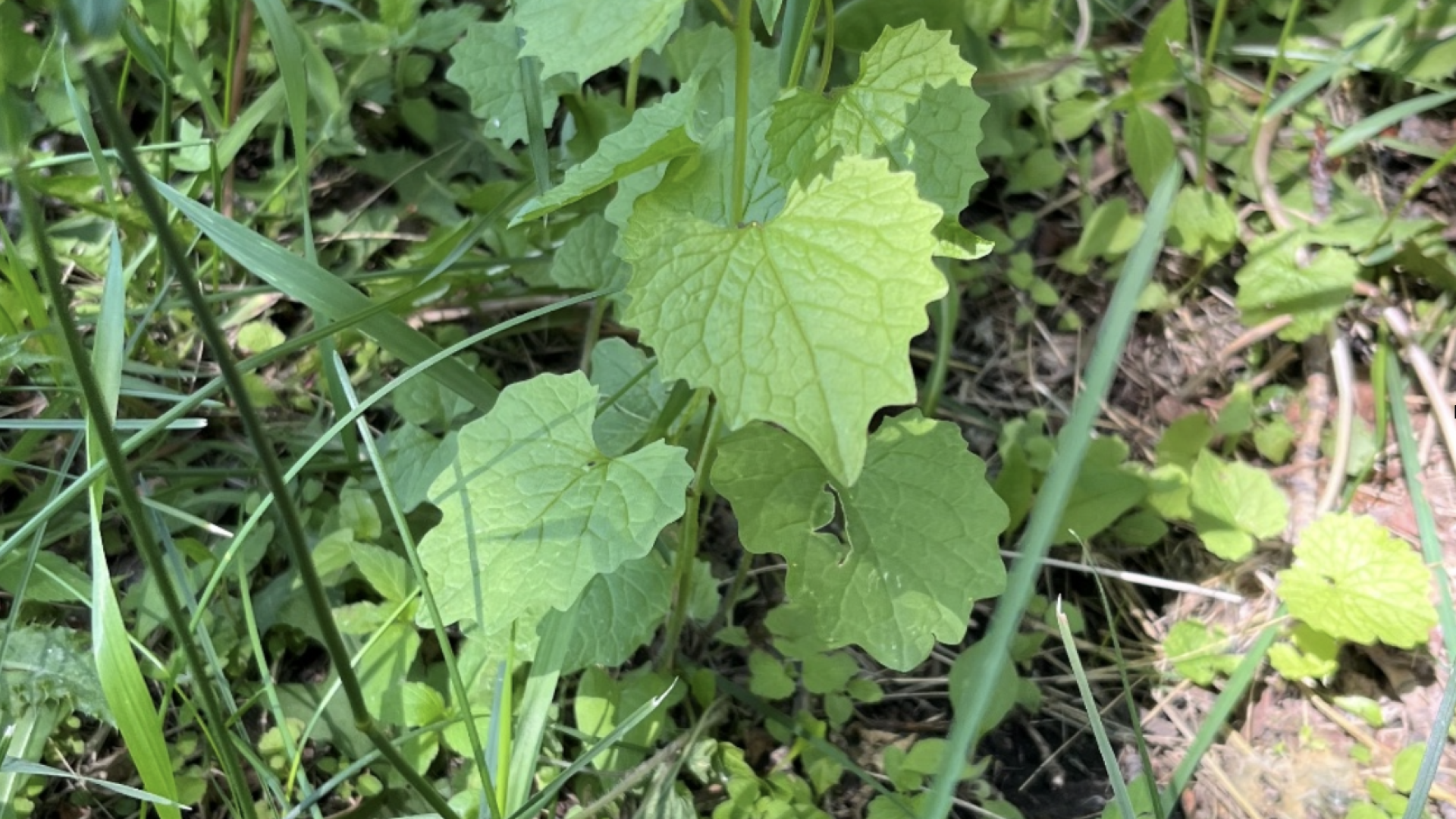
Garlic mustard is a biennial plant that can grow up to one metre tall. It is easiest to identify in spring when it flowers. Key identification features include:
- Heart- or kidney-shaped leaves with scalloped edges
- Leaves that produce a distinct garlic odour when crushed
- Small white flowers with four petals that bloom in spring
- Long, slender seed pods that develop after flowering
Garlic mustard can spread through contaminated seed mixes, including some bird seed and wildflower seed mixes. When purchasing seed for lawns, gardens, or planting projects, choose quality-assured seed mixes from reputable suppliers and look for certified weed-free products where available to help reduce the risk of introducing invasive plants.
What to Do If You Find Garlic Mustard
Residents who suspect they have found garlic mustard are encouraged to:
- Take clear photographs of the plant
- Record the location where it was found
- Report the suspected sighting to Rocky View County Agricultural Services for identification
- Begin control measures once the plant has been confirmed
Preventing seed production is essential to limiting the spread of garlic mustard.
Managing Garlic Mustard
Small infestations can often be controlled through careful hand-pulling, ensuring the entire root system is removed. In wooded or treed areas, hand-pulling is typically the preferred control method due to site sensitivity and limited treatment options. Pulled plants should be bagged and disposed of appropriately to prevent seed spread. As a general best practice, weeds should not be composted, as seeds or plant material may survive and contribute to further spread.
Mowing is not an effective standalone control method for garlic mustard. While mowing before seed production may help reduce the amount of seed entering the soil, plants can regrow and continue to spread. Mowing after seed pods have developed may increase the risk of spreading seeds to new areas.
Larger infestations can be challenging to manage and may require repeated monitoring and control over multiple seasons. Herbicide options for garlic mustard are limited, and available products are non-selective, meaning they can also damage nearby plants that you want to keep. Herbicide treatments may only be appropriate in certain areas, such as gravel sites or locations where surrounding vegetation can be protected. Always follow the product label when using herbicides.
Established infestations often require repeated monitoring and control over multiple seasons. Early detection and action are the best ways to prevent garlic mustard from spreading and becoming more difficult to manage. Rocky View County Agricultural Services can provide assistance with identification and site-specific management recommendations.
Dig Deeper
For more information on invasive species and native plants, please see the resources listed below.
Weed Identification
- Garlic Mustard Identification – Rocky View County Fact Sheet [PDF/1.1MB]
- Alberta Invasive Species Council (AISC) – Website, Weed Identification Book
- AISC Invasive Plant Fact Sheet – Garlic Mustard
- Association of Alberta Agricultural Fieldmen (AAAF) – Association Involvement in Weed Control
Reporting Invasive Weeds
- Rocky View County Report Problem Weeds (For species found on the Weed Control Act) – Online Form
- Rocky View County – Contact Information
Native Species
- Alberta Native Plant Council – Website
- ALCLA Native Plants – Website
- Grow Me Instead – Plant Wise Brochure