
Missed the first two articles? Learn what a wetland is and the role wetlands play in water storage and filtration on our news page.
Wetlands are some of Alberta’s most productive and diverse ecosystems. They provide food, water, shelter, and breeding areas for a wide range of plants and animals, including waterfowl, songbirds, amphibians, mammals, fish, insects, and native plants. Many species rely on wetlands for all or part of their life cycles.
A wetland’s value as habitat is not limited to the water itself. The transition between open water, shallow water, organic soils, grasses, sedges, shrubs, and nearby upland areas creates a variety of conditions that support different species. This natural diversity makes wetlands especially important across rural and agricultural landscapes, where they can serve as key resting, feeding, nesting, and movement areas for wildlife.
Habitat for Birds, Amphibians and Other Wildlife
Alberta’s wetlands are particularly important for birds. Marshes, ponds, shallow open water wetlands, and seasonal wetlands provide nesting and feeding habitat for ducks, geese, shorebirds, grebes, and other waterfowl. Wetlands also give migratory birds places to rest during spring and fall migration.
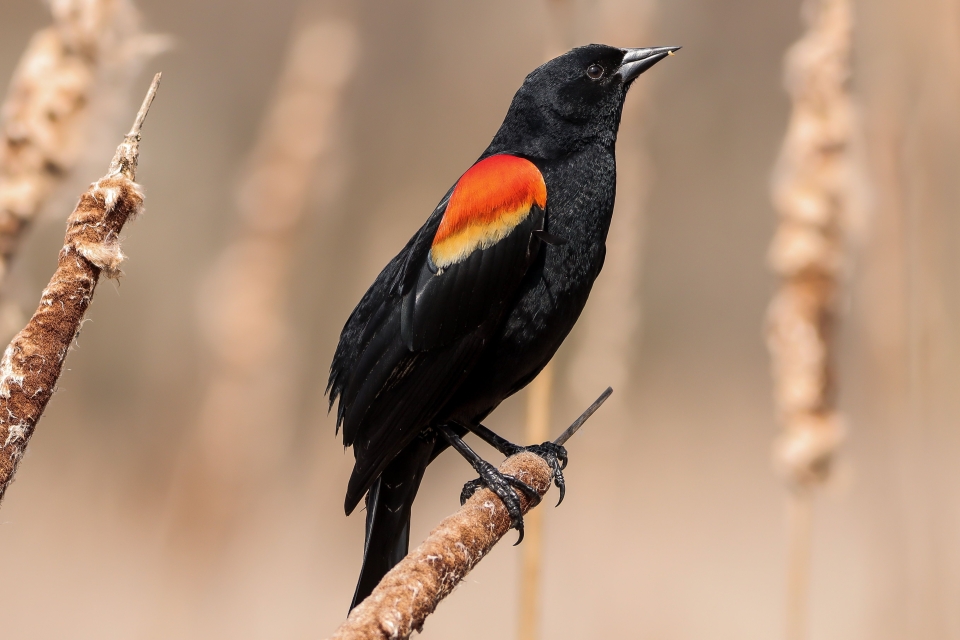
Wetland vegetation plays an important role in this habitat. Cattails, bulrushes, sedges, rushes, shrubs, and other native plants provide cover for nesting birds and support insects and other food sources.
Wetlands provide essential breeding habitat for amphibians, including frogs, toads, and salamanders, some of which are listed as Species at Risk. Many amphibians depend on shallow or seasonal wetlands because these areas can provide suitable water depths for eggs and larvae while offering vegetation and shelter from predators.
Wetlands also support a wide variety of insects, including pollinators. These insects are an important part of the food chain, supporting the diets of birds, fish, amphibians, and other animals. Healthy wetland systems can therefore benefit wildlife far beyond the wetland’s visible boundary.
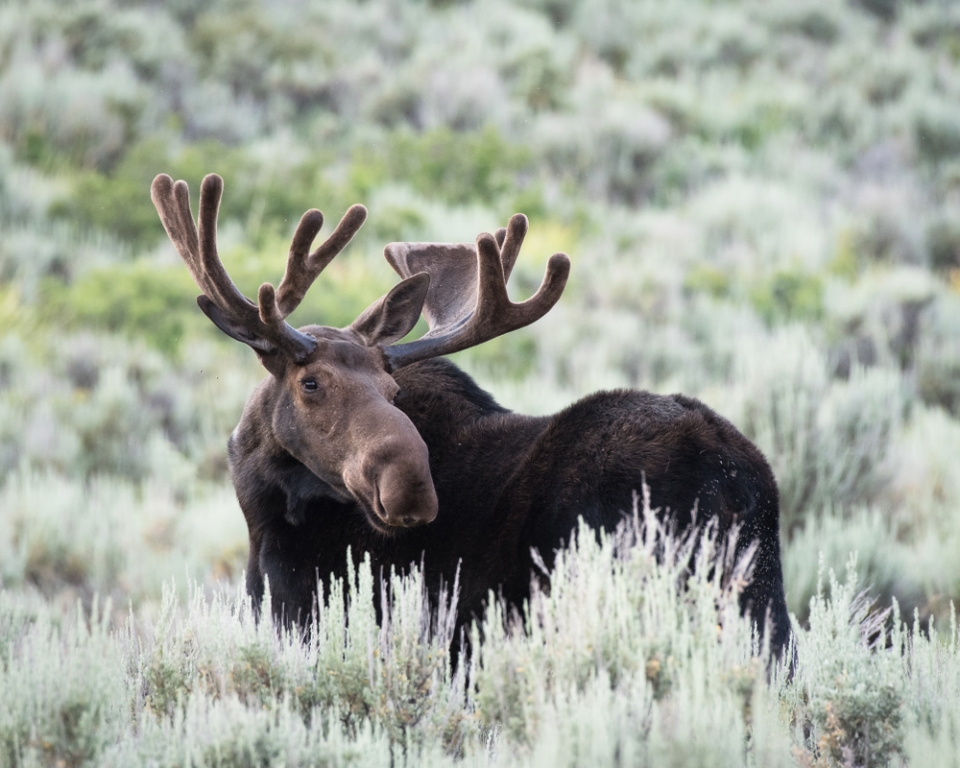
Mammals also use wetlands and their adjacent natural areas. Depending on the wetland type and location, species such as beavers, muskrats, deer, moose, and smaller mammals may use wetlands for water, food, cover, or travel corridors.
Wetlands Support Plant Diversity
Wetlands are host to a wide range of specialized plant communities, including plants that can survive only in wetland conditions. Different wetland types support different plants based on water depth, soil conditions, nutrients, and groundwater inputs. For example, marshes may include cattails, reeds, rushes, and sedges, while bogs and fens may support mosses, shrubs, and other plants adapted to organic peat environments.
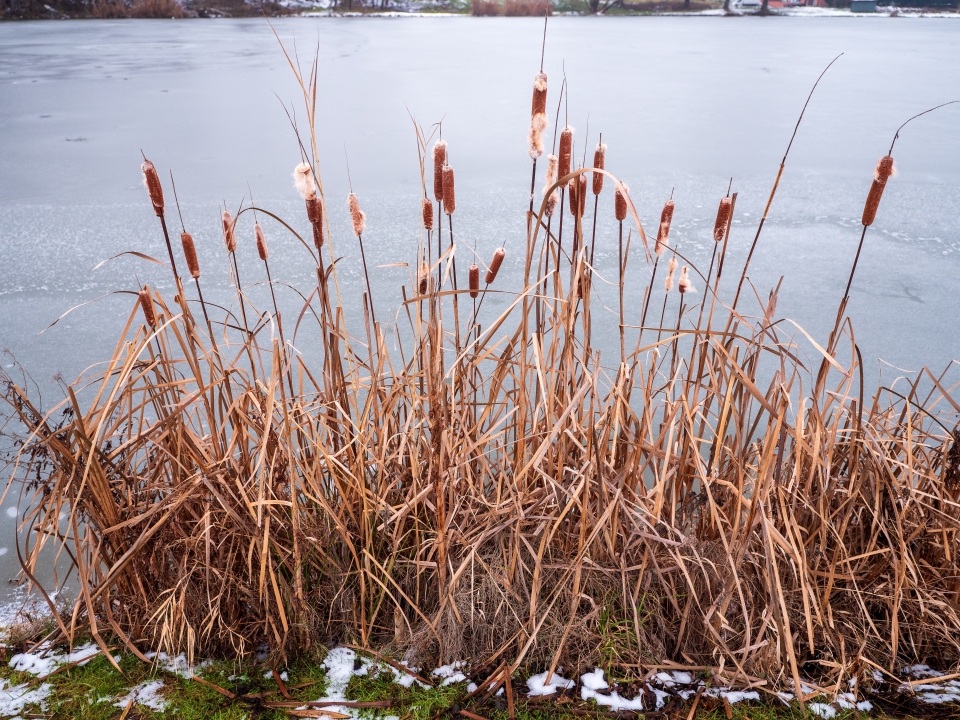
This plant diversity also forms the foundation of the wider wetland food web. Plants provide habitat, nesting material, food, shade, and cover. They also help stabilize soils and contribute to the wetland’s ability to filter water and support ecological functions.
Why Biodiversity Matters
Biodiversity refers to the variety of living things in an ecosystem, including plants, animals, fungi, and microorganisms. Wetlands contribute to biodiversity by supporting species that may not thrive in drier landscapes. They also connect habitats across the broader watershed, allowing wildlife to move between feeding, breeding, and resting areas.
When wetlands are drained, filled, fragmented, or disturbed, the species that depend on them can lose important habitat. The effects may extend beyond a single wetland, particularly where several wetlands function together as part of a larger, complex habitat network.
Protecting wetlands helps sustain healthy wildlife populations and maintain the natural diversity of Alberta’s landscapes. In the next article, we will explore how wetlands also provide practical benefits for people, communities, and agricultural operations.