
Rocky View County is home to some beautiful native wildflowers, but not every yellow bloom you spot is one of them. Two flowers that often get mistaken for each other are the native buffalo bean and the invasive yellow toadflax. Knowing the difference matters, and it's easier than you might think.
Where are they found?
Buffalo bean is at home in pastures, prairies, and the edges of open forests. Yellow toadflax, regulated as noxious on the Alberta Weed Control Act, is far less picky and can show up almost anywhere.
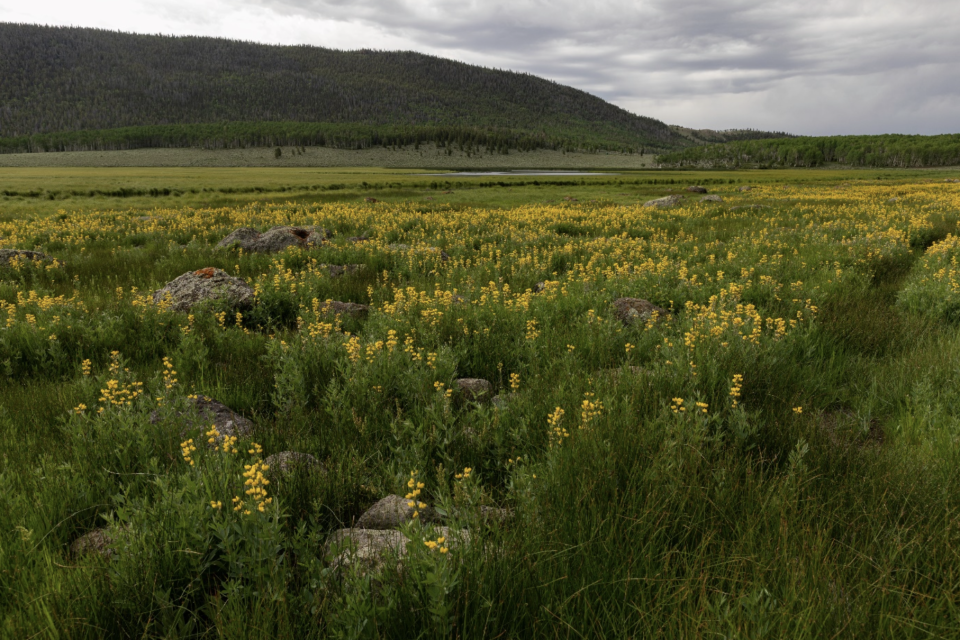
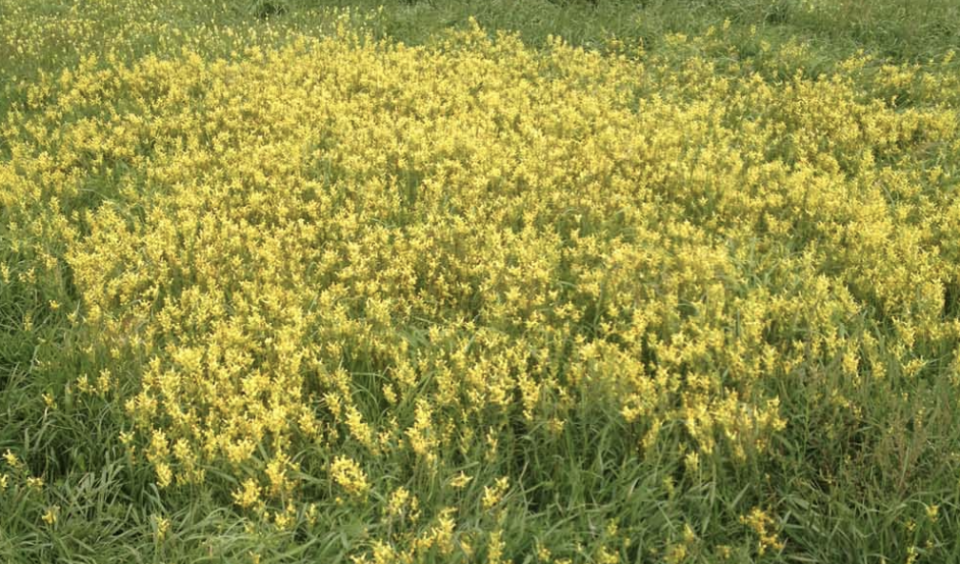
What do the leaves look like?
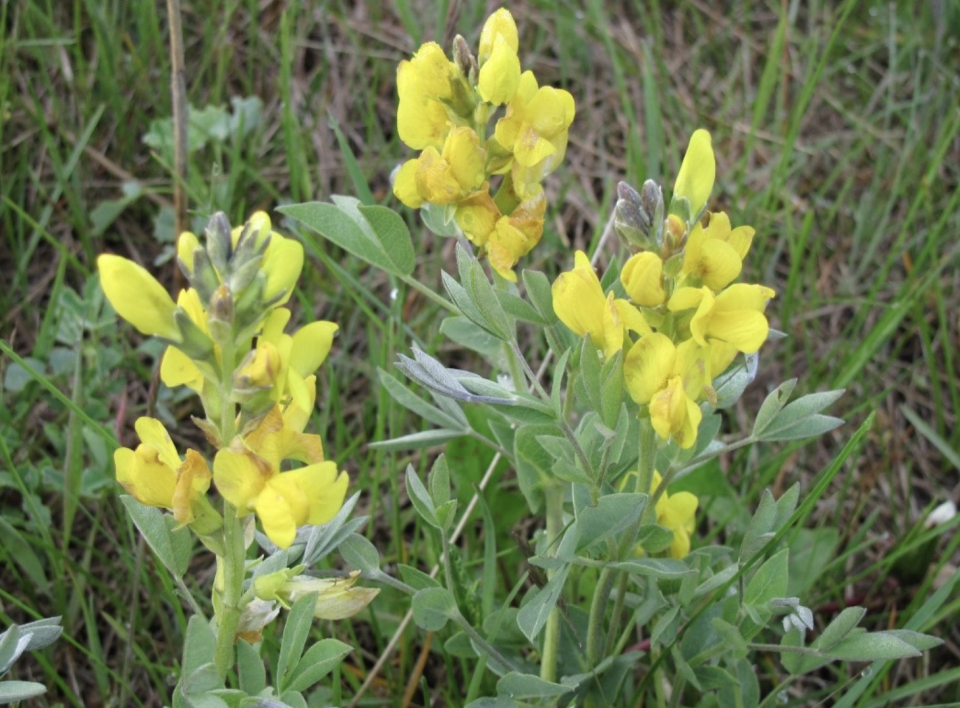
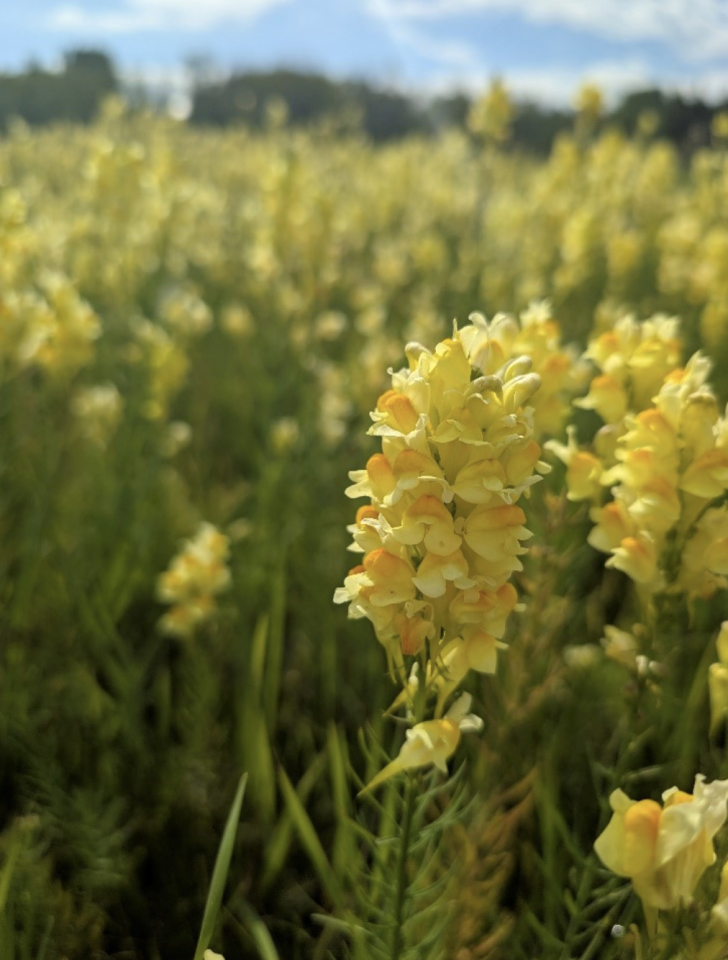
Buffalo bean has leaves made up of several small leaflets, giving the plant a soft, bushy appearance. Yellow toadflax has narrow, waxy leaves that grow along the stem, giving it a more rigid, upright look.
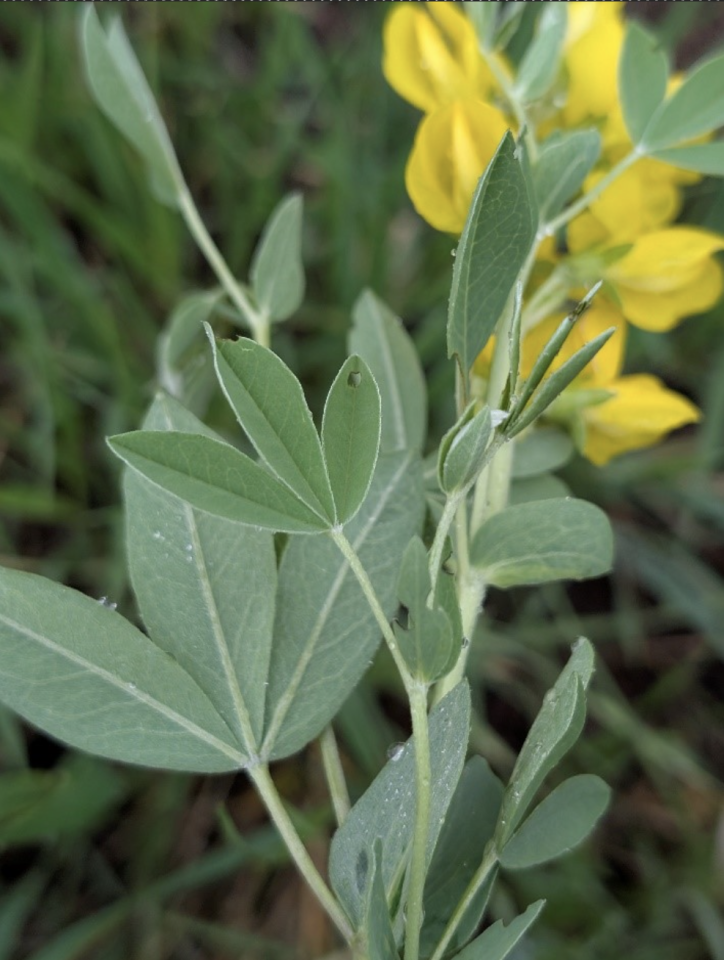
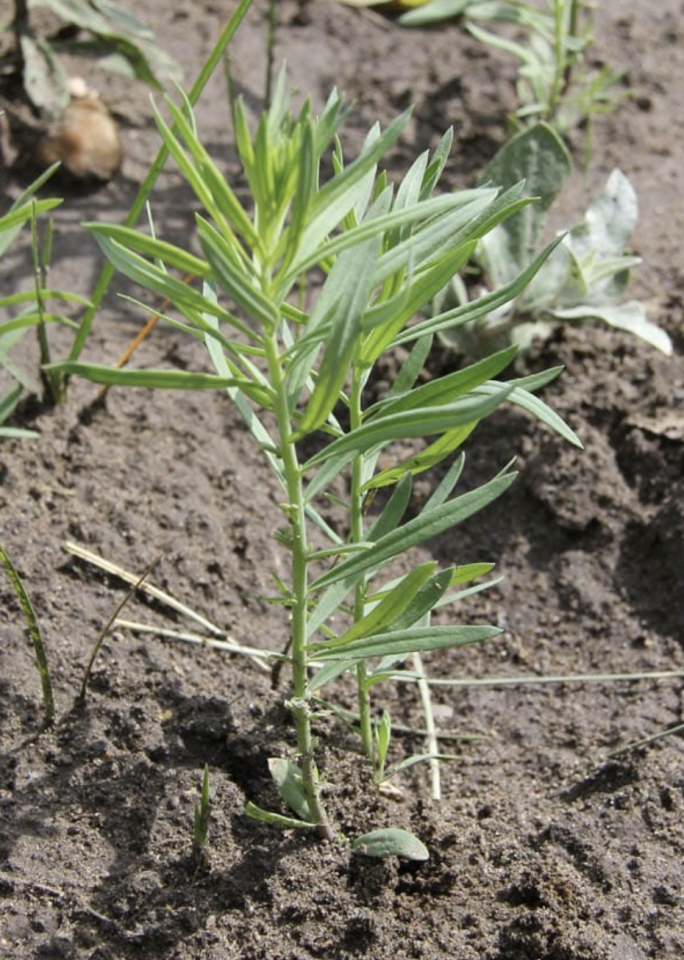
What do the flowers look like?
Buffalo bean produces bright yellow blooms that resemble pea flowers, so vivid in fact that it's also known as golden bean. Yellow toadflax is easier to distinguish up close; its snapdragon-like flowers have a rich orange center and pale yellow outer petals, earning it the nickname butter-and-eggs.
When do they flower?
Buffalo bean is an early bloomer, commonly seen in flower from late May to early June. Yellow toadflax comes later, with a long flowering window that stretches from July through September.
Why It Matters
Yellow toadflax may look harmless, but it is one of the more persistent invasive plants found in Alberta. A single plant can produce up to 500,000 seeds in a season, and its deep, creeping root system means regrowth from root fragments is common even after removal, making it exceptionally difficult to eliminate once it takes hold.
As yellow toadflax establishes itself, it forms dense patches that crowd out native vegetation like buffalo bean, reducing the plant diversity that pollinators and wildlife depend on. It can also reduce the carrying capacity of pastures, outcompete desirable forage species, and increase weed management costs for landowners and producers over time. Early identification and consistent management are the most effective tools available, which is why knowing what you are looking at matters.
Dig Deeper
For more information on invasive species and native plants, please see the resources below or contact Rocky View County Agricultural Services at 403-230-1401 or agservices@rockyview.ca.
Weed Identification:
- Alberta Invasive Species Council (AISC) Invasive Plant Guide – Website
- AISC Invasive Plant Fact Sheets – Yellow toadflax, Other Species
- Association of Alberta Agricultural Fieldmen (AAAF) – Association Involvement in Weed Control
- Rocky View County Report Problem Weeds (For species found on the Weed Control Act) – Online Form
Native Species:
- Alberta Native Plant Council – Website
- ALCLA Native Plant Nursery – Website
- Grow Me Instead – Plant Wise Brochure