
Wildfire smoke has become an increasingly common part of life in Alberta. Whether you're staying close to home or travelling, understanding air quality conditions can help you protect your health.
In Alberta, peak wildfire season runs from March 1 to October 31, but fires can occur at any time of year, even in winter. Staying informed about current conditions is key.
What is Wildfire Smoke?
Wildfire smoke is typically a mixture of water vapour, gases, fine particles, and trace minerals. These come from burning fuels like trees, vegetation, and other organic materials. If a wildfire reaches an urban area, the burning of buildings and other materials may affect what the smoke is made up of.
Pollution from fine particles is the main public health concern when exposed to wildfire smoke. These particles can include tiny solids or liquid droplets such as smoke, soot, dirt, and dust found in the air.
What is the AQHI?
The Air Quality Health Index (AQHI) is measured on a scale of 1 (low risk) to 10+ (very high risk) and grouped into four health risk categories. Individuals can use the health messages and risk levels associated with the AQHI to help protect their health.
This can include limiting short-term exposure to air pollution and adjusting activity levels during periods of increased air pollution. The AQHI also provides guidance on how you can improve the quality of the air you breathe.
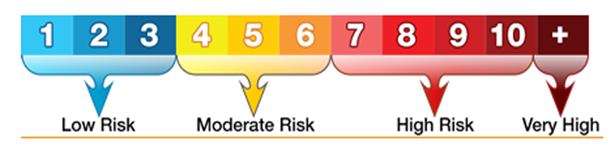
Image 1: AQHI Index Scale
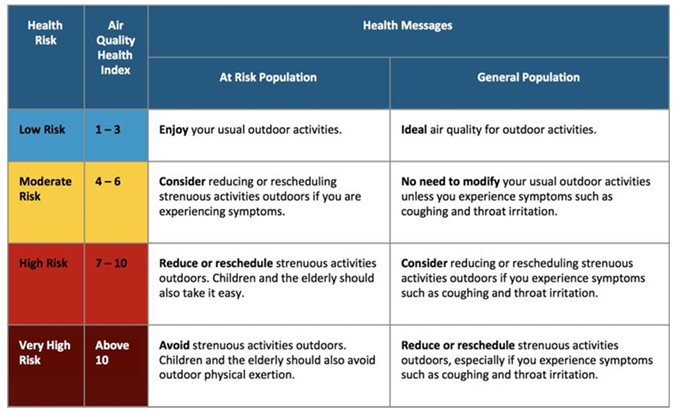
Image 2: Example of AQHI Health Messaging
Where to Check Air Quality
Residents can stay informed using the following tools:
- Calgary Region Airshed Zone (CRAZ), which provides local, real-time AQHI readings
- Government of Alberta AQHI Map, which offers provincial data, forecasts, and trends
These resources use data from monitoring stations across Alberta to provide up-to-date air quality information.
Air Quality Forecasts
BlueSky Canada is a wildfire smoke forecasting system developed through a collaboration between Alberta and British Columbia. It combines forest fire information, such as location and size, with weather forecast models.
It aims to help Canadians adapt to increased wildfire activity on the landscape due to climate change. A public advisory may be issued when smoke concentrations in an area have reached, or are expected to reach, levels of concern for human health.
Forecasts are based on satellite information, smoke transport models, visibility images, first-hand observations, and concentrations of fine particulate matter recorded at local air quality monitoring stations. Smoke concentrations can vary significantly over short distances and periods of time.
How to Protect Yourself During Poor Air Quality
When air quality is reduced due to wildfire smoke, consider the following:
- Limit outdoor activities, especially strenuous exercise
- Keep windows and doors closed when smoke levels are high
- Use a portable air purifier if available
- Check on children, seniors, and those with existing health conditions
- Follow local advisories and updates