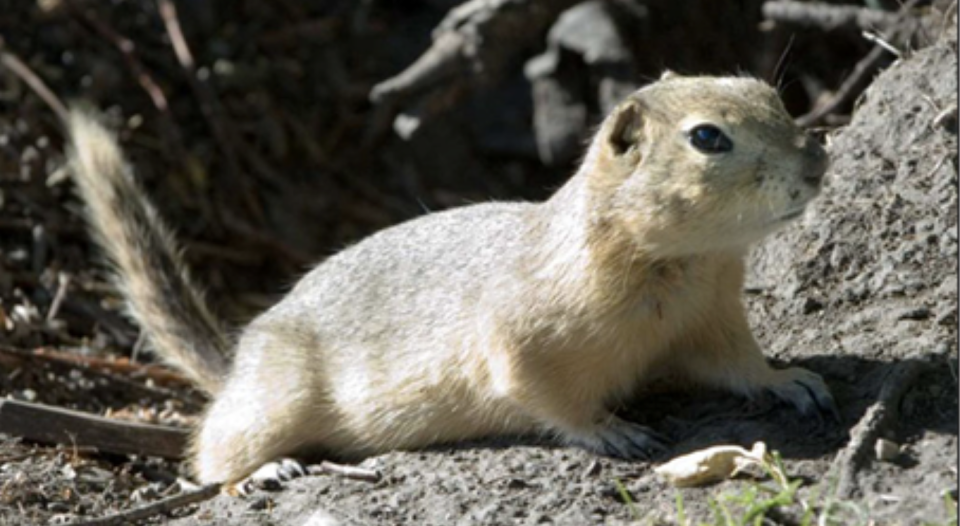
On February 2, 2026, the Pest Management Regulatory Agency (PMRA) denied the Alberta and Saskatchewan request for an Emergency Use Registration for 2% liquid strychnine to control Richardson’s ground squirrels. The decision was based on concerns that the proposed mitigation measures did not sufficiently address the risk of primary and secondary poisoning to non-target wildlife. As a result, 2% liquid strychnine remains unavailable for purchase in Canada.
With this decision, producers and land managers will need to rely on a combination of alternative management practices. Richardson’s ground squirrels typically emerge from hibernation between late February and mid-March, with males appearing first, followed shortly by females. Starting monitoring and control efforts early in the season can help limit population growth before young are born and while natural food sources remain scarce.
Because no single method works in every situation, many producers find the most success using an integrated pest management approach, combining several techniques depending on the level of infestation and the type of land being managed.
Prevention and Habitat Management
Long term management can include practices that discourage ground squirrel establishment. Maintaining healthy pasture stands and leaving headland grasses taller can make areas less attractive for colonization. Encouraging natural predators such as hawks and owls by maintaining trees, perches, or installing nest boxes can also support natural population control over time.
Mechanical Control
Direct control methods provide immediate and visible results and can be useful for smaller areas or targeted management. These methods may include shooting, where permitted and conducted in accordance with all firearms legislation and with landowner permission, as well as trapping using a variety of trap styles suited to different applications.
Bait Products
While strychnine was historically used for severe infestations, some registered bait products remain available. Products containing chlorophacinone (such as Rozol or Ground Force) or zinc phosphide (Burrow Oat) may be used according to label directions. Some products may require multiple feedings to be effective, making timing and placement important for success.
Asphyxiants and Burrow Treatments
Burrow fumigation products may also be used in certain situations. These can include sulphur gas cartridges, foam products such as Rocon (mustard foam), or fumigants such as Phostoxin (which requires Farmer Pesticide Certification). These tools work by filling burrow systems to control animals underground and are typically most effective when burrow entrances are sealed.
Additional Resources
- PMRA Strychnine Assessment
- Government of Alberta Richardson Ground Squirrel Control Fact Sheet
- Article of Encouraging Predators